
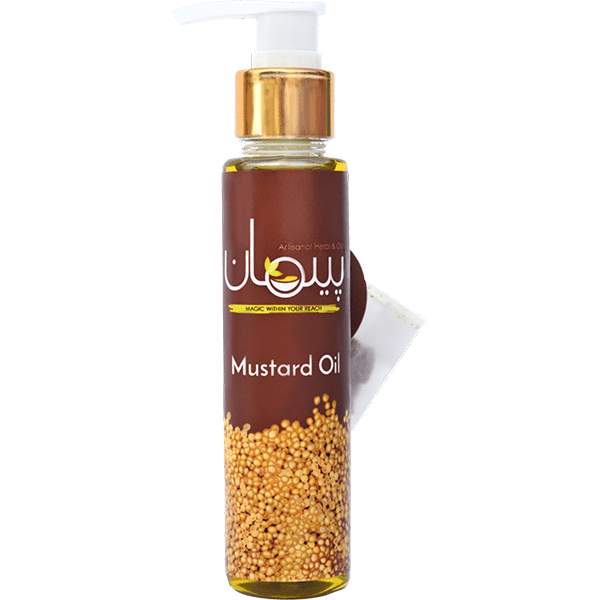

Mustard Oil (Cold Pressed)

100 ml
Cost: 450 PKR



Uses
Medicine, Cosmetic, Culinary
Benefits
Reduces the risk of cancer, Has cardiovascular benefits, Is a natural stimulant, Stimulates sensation in the muscles, Relieves cold and cough, Eases joint pain and arthritis, Helps heal chapped lips, Improves functioning of the organs, Has antibacterial, antifungal, and anti-inflammatory properties, Beneficial for asthma, Whitens teeth and treats dental problems, Removes tan and dark spots, Natural sunscreen, Treats rashes and infections, Has anti-aging effects, Stimulates hair growth, Prevents premature greying and Gets rid of dandruff and itchy scalp

History
Mustard was first grown in India around 3000 BC and later taken to Britain by the Romans who used it as a condiment and pickling spice.
The Romans added mustard seeds to their wine and Pythagoras, the Greek scientist, used it as a natural treatment for scorpion stings.
Interesting Facts
Mustard is grown as an oil seed crop in Pakistan. After cotton, mustard is the second most important source of oil and contributes on an average, about 21% in the edible oil production. Mustard seed is a rich source of oil and protein. The seed has oil as high as 46-48 percent; Whole seed meal has 43.6 percent protein
Mustard flour can even be sprinkled in your socks to help prevent frostbite.
Pope John Paul XXII loved mustard so much that in the early 1300’s he created a new Vatican position of mustard-maker to the pope – grand moutardier du pape.
Learn More